Remember Caribana
The festival the community built, the way we remember it. Press play, then look back.
Back in 1967
For Canada's centennial, a committee of West Indian volunteers set out to give the country a Caribbean festival.
The community raised $46,000 of the $50,000 budget itself.
About 1,000 masqueraders and pan players took to the streets for the first parade.
Shoppers ran out of Eaton's and Simpsons to see what the sound was.
Caribana was meant to happen once. The mayor asked them to do it again.
The way it looked
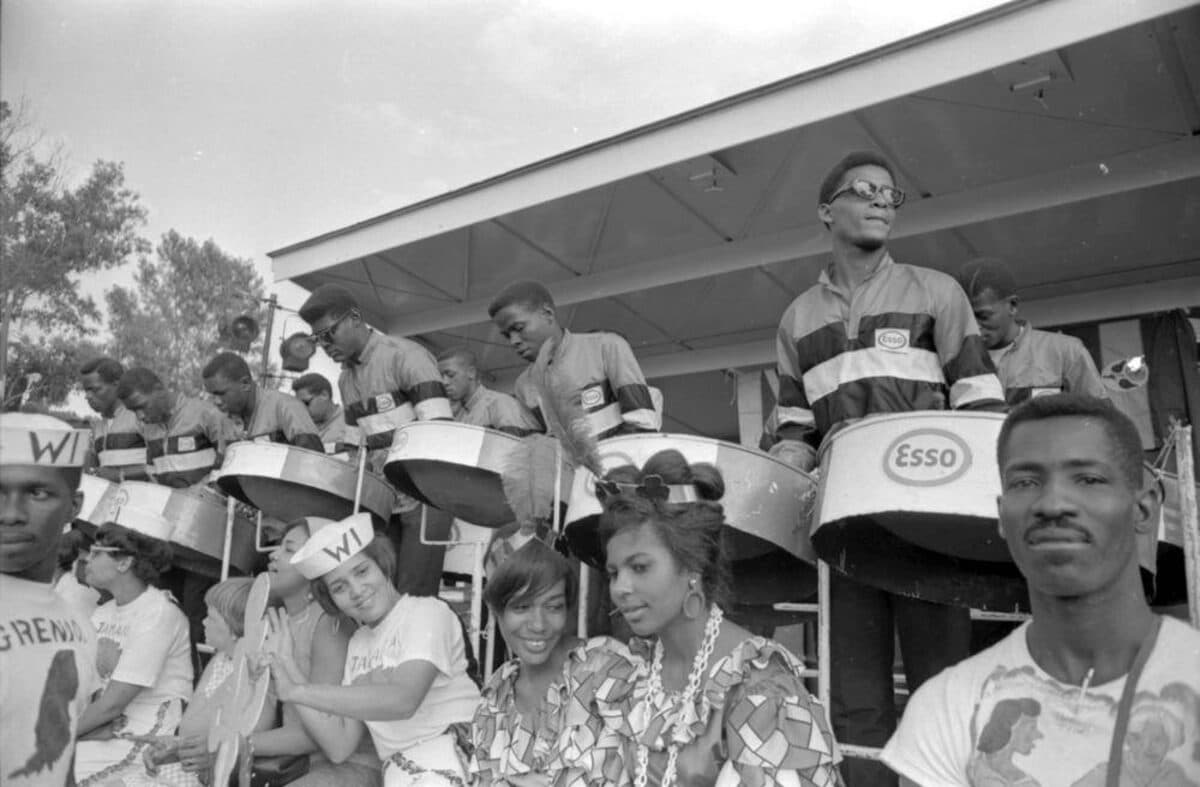
1967 · Centre Island 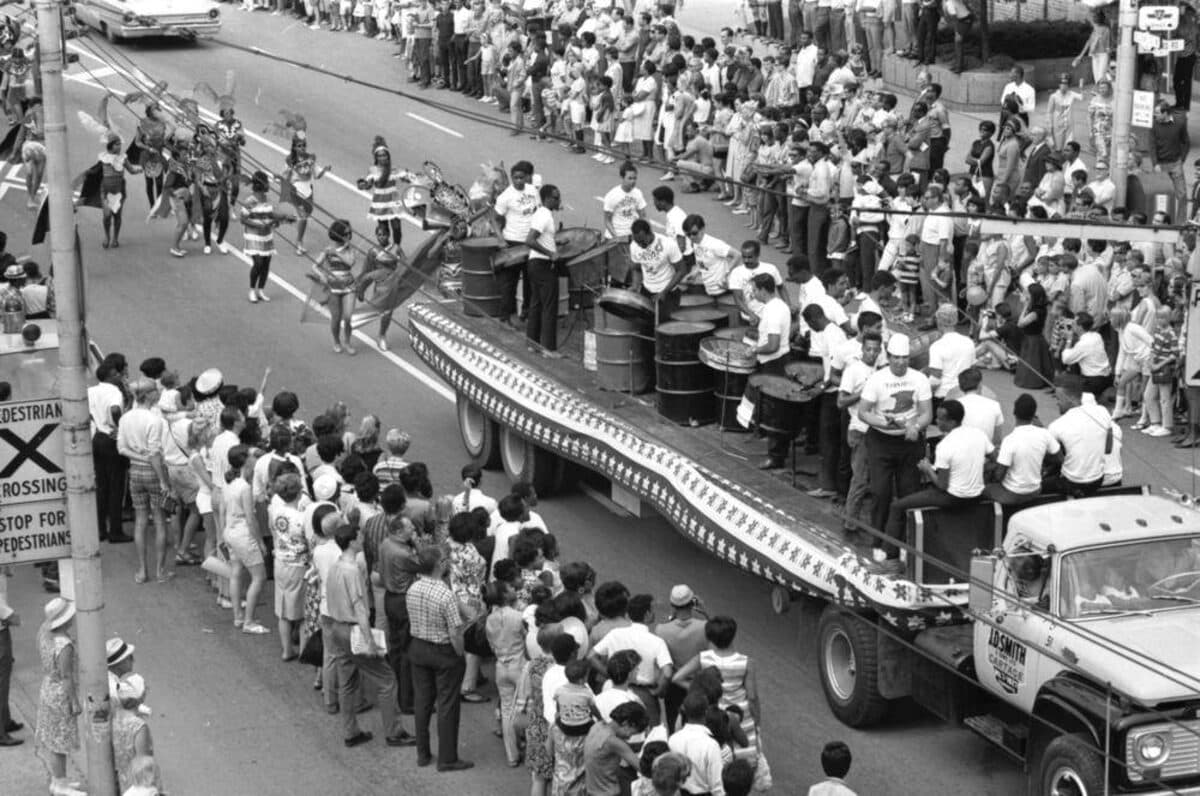
1967 · Varsity Stadium 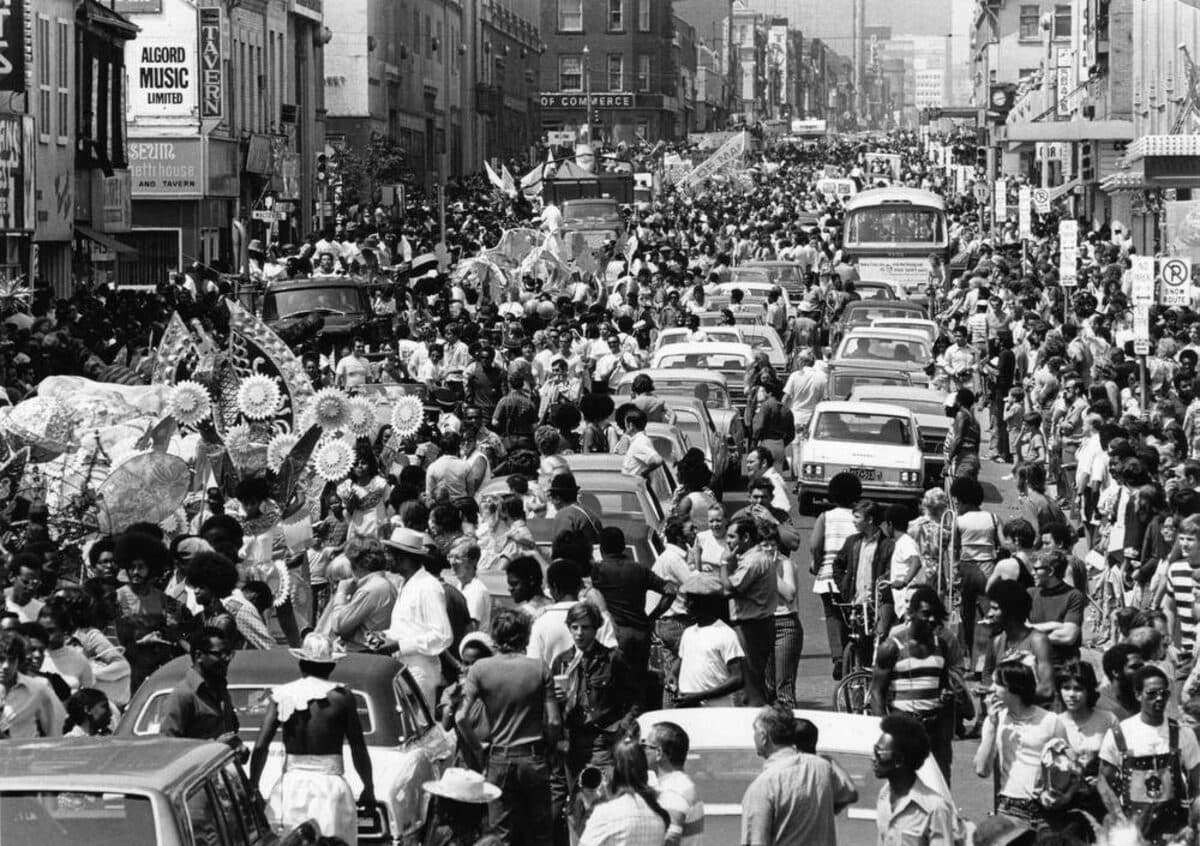
1971 · Yonge Street 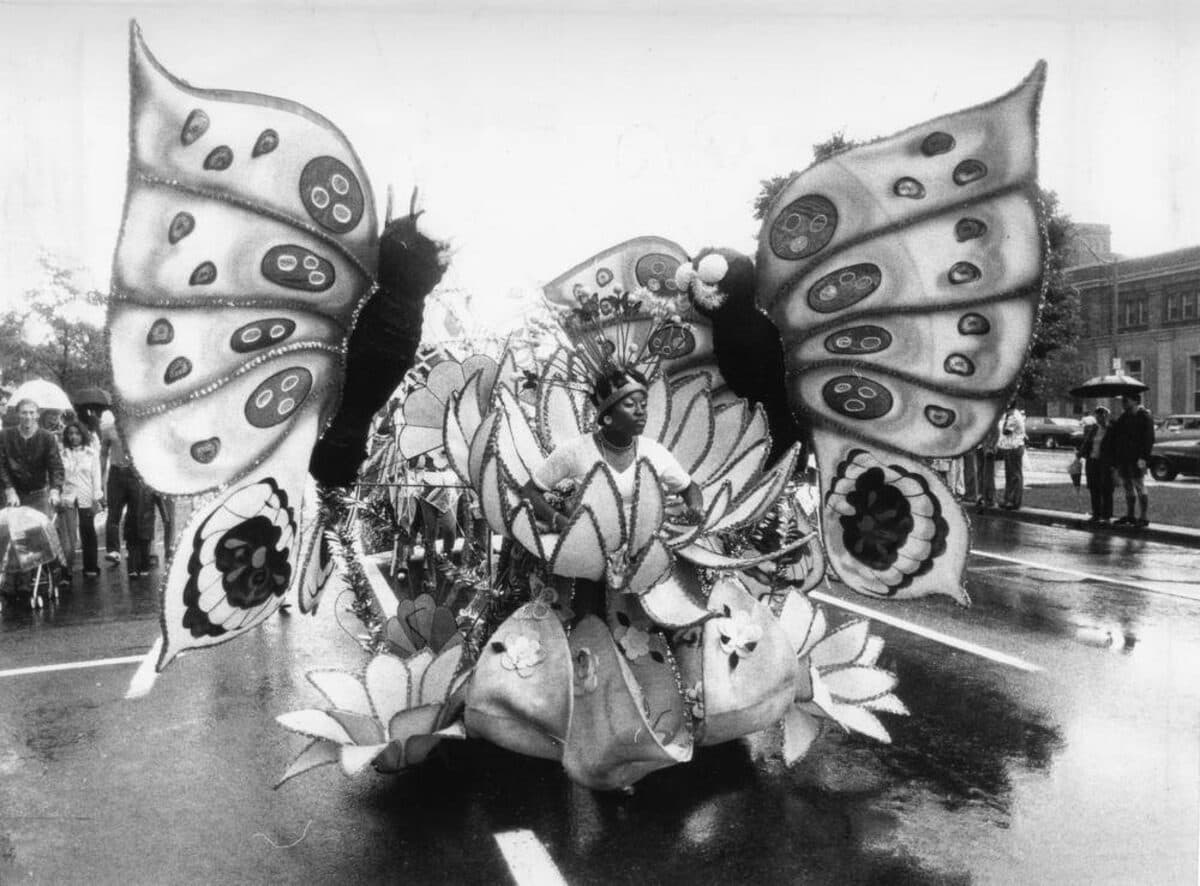
1976 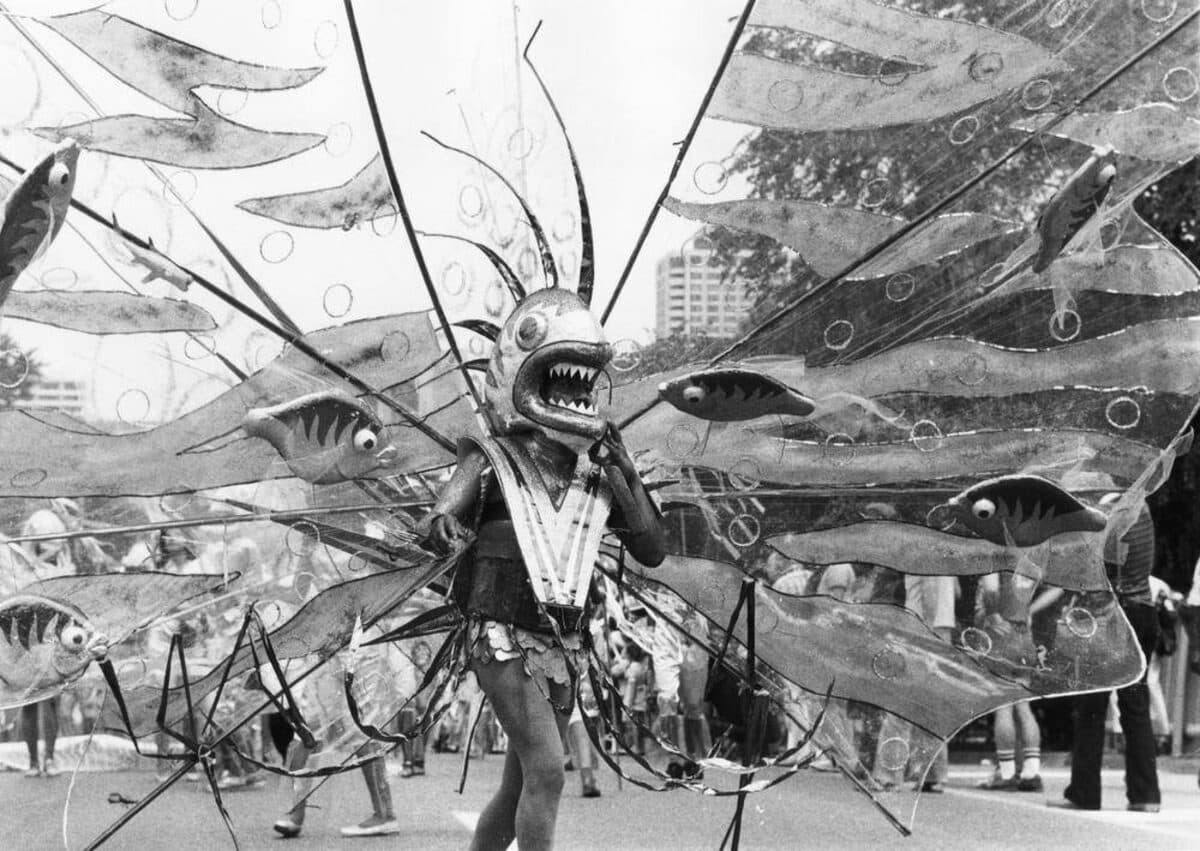
1980 · University Avenue
And then it grew
Bands grew from groups of friends into sections of hundreds.
Steelbands like Afropan, founded in 1973, trained generations of players.
Toronto produced its own Kings, Queens and calypso monarchs.
Our position
It is Caribana, and it should still be called Caribana.
We want order restored, so that the festival serves the community that built it.
In 2011, an Ontario court confirmed that the Caribana name belongs to the Caribana Arts Group. We continue to keep the story, protect the name and pass the culture on.
Keep reading
- The history of Caribana, with sources
- Meet the founders
- Toronto Caribbean Carnival and Caribana: what the names mean
- Share your memories
Last reviewed: 10 October 2026.