From the cane fields to the Lakeshore
Caribana didn't begin in 1967. It began with emancipation, with torches and drums in the streets of Trinidad, and with every Caribbean family that carried carnival across the sea. This is that story.
Chapter 1
Freedom, then festival
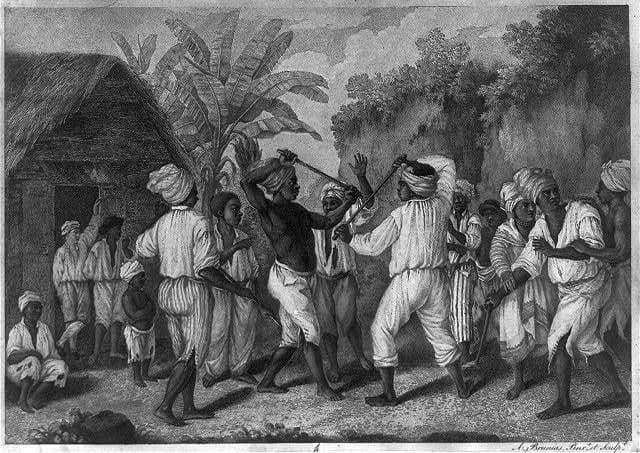
On August 1, 1834, slavery was abolished across the British Empire. In Trinidad, freed Africans marked it with Canboulay, from the French cannes brûlées (burnt cane): a torchlit night procession of drums and stick-fighting that remembered the plantation. In 1881, police tried to stop it and failed. Torches and drums were banned in 1884, so musicians turned to bamboo, and later to oil drums. Out of that fight came J'ouvert, and eventually the steelpan.
[CONFIRM: year] Chapter 2
Carnival travels
Caribbean people carried carnival wherever they went. In London, after the 1958 Notting Hill race riots, Trinidad-born activist Claudia Jones staged a Caribbean carnival in January 1959. In Toronto, Kay Livingstone's Canadian Negro Women's Association held a yearly Calypso Carnival from 1955 to 1964, a forerunner of what was to come.
1967 · Varsity Stadium Chapter 3
The community that built it
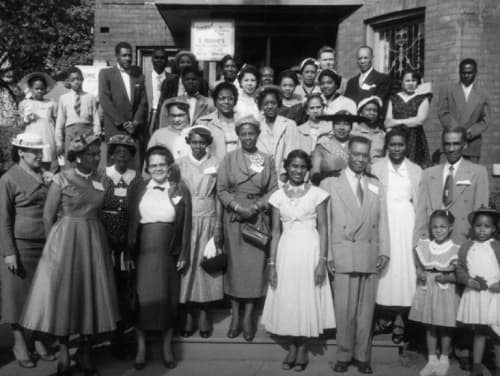
Through the 1950s and 60s, Caribbean Canadians built a community in Toronto. Between 1955 and 1967, about 3,000 Caribbean women came through the West Indian Domestic Scheme. Many sponsored their families, and together they laid the foundation the festival would stand on.
[CONFIRM: year] · [CONFIRM: place] Chapter 4Since 1967
1967, a gift for Canada
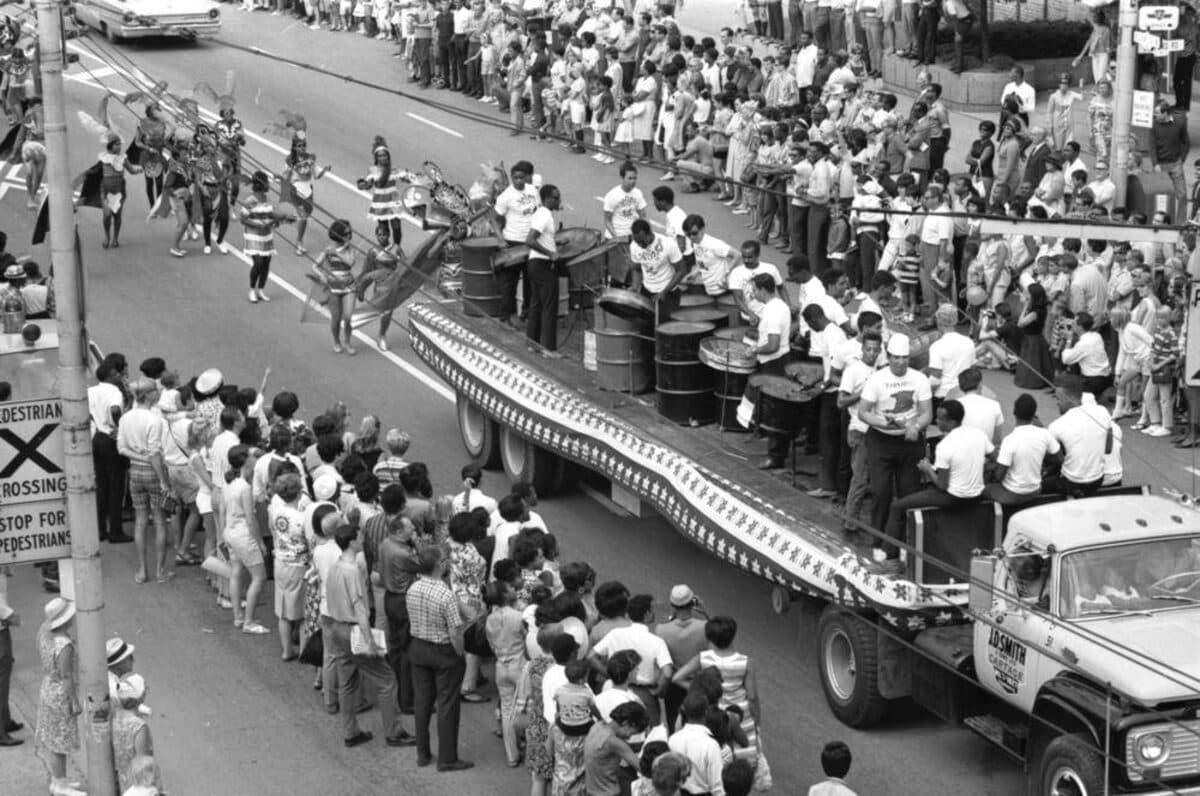
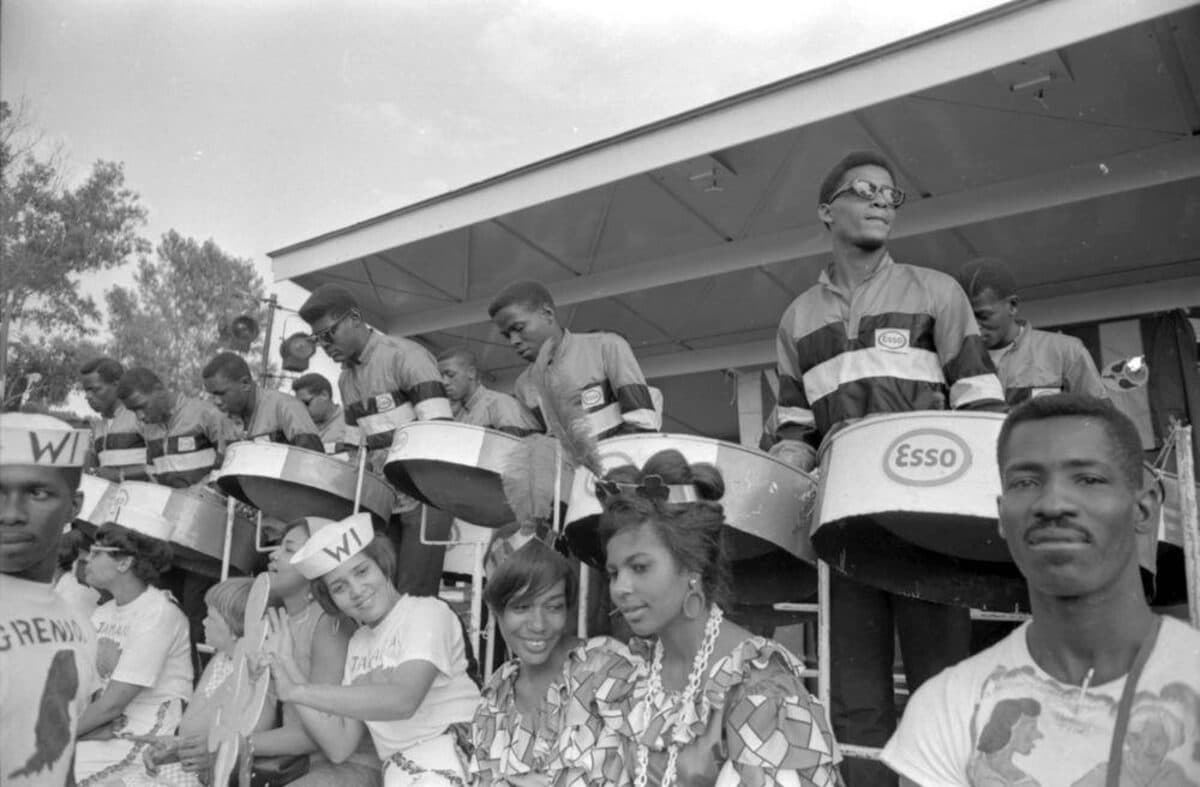
For Canada's centennial, a committee of West Indian volunteers set out to give the country a Caribbean festival. The community raised $46,000 of the $50,000 budget itself. About 1,000 masqueraders and pan players took to the streets for the first parade. Shoppers ran out of Eaton's and Simpsons to see what the sound was. Caribana was meant to happen once. The mayor asked them to do it again.
1967 · Centre Island Chapter 5
Growing up on University Avenue
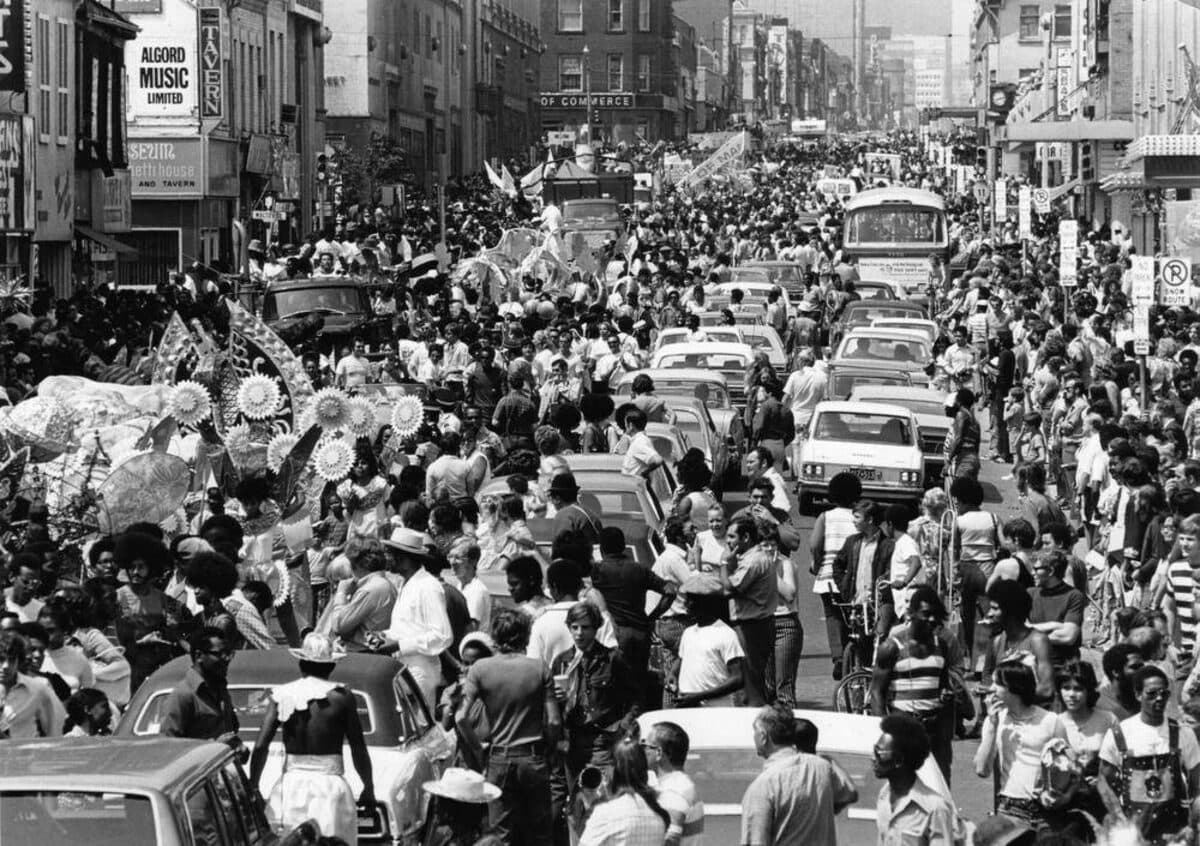
Through the 1970s, 80s and 90s, Caribana grew into one of the largest Caribbean festivals outside the Caribbean [CONFIRM: attribute this claim to a source]. Bands grew from groups of friends into sections of hundreds. Steelbands like Afropan, founded in 1973, trained generations of players. Toronto produced its own Kings, Queens and calypso monarchs.
1971 · Yonge Street Chapter 6
The name and today
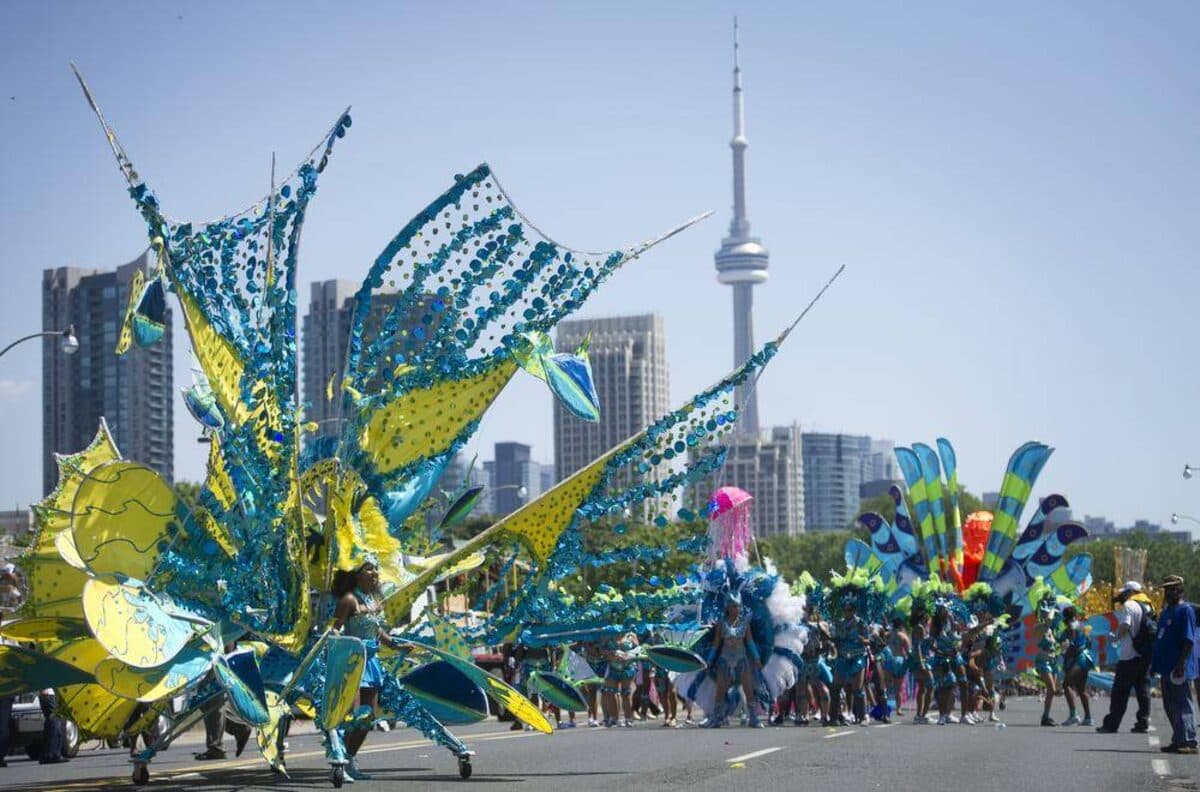
In 2006, management of the parade passed to a new organization. In 2011, an Ontario court confirmed that the Caribana name belongs to the Caribana Arts Group, and the parade has since run as Toronto Caribbean Carnival. CAG continues as the founding organization: keeping the story, protecting the name and passing the culture on.
[CONFIRM: year] · [CONFIRM: place]
Timeline
1834
Slavery abolished across the British Empire, August 1
1881
Canboulay: Trinidad's freed Africans defend their right to the street
1955
West Indian Domestic Scheme begins; Calypso Carnival held in Toronto
1959
Claudia Jones stages a Caribbean carnival in London
1967
The first Caribana, a centennial gift to Canada
1973
Afropan steelband founded in Toronto
2011
Court confirms the Caribana name belongs to CAG
2027
Caribana turns 60
Every family has a piece of this story. Share yours.
Sources: Library and Archives Canada, CBC, Parks Canada, Heritage Toronto, The Canadian Encyclopedia, English Heritage, Trinidad Express.