The people who gave Canada a festival
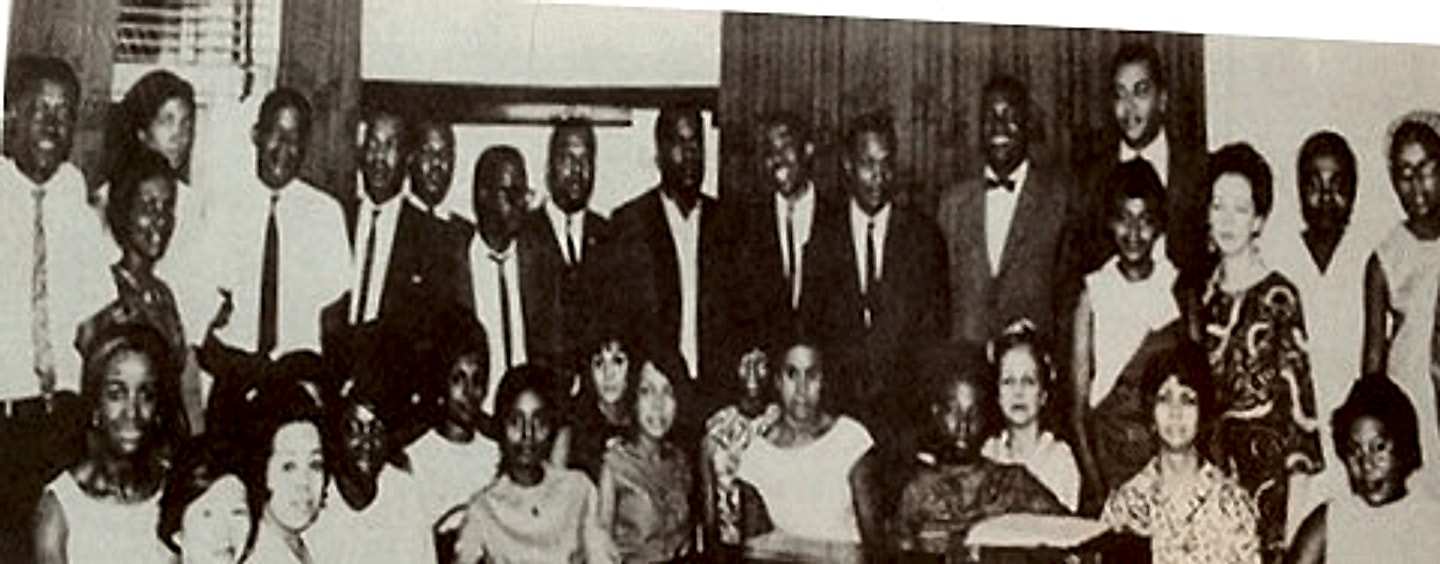
Caribana was built by volunteers with day jobs: doctors, lawyers, librarians, engineers and domestic workers who believed their culture belonged on Canada's streets. Accounts of the founding committee differ, and we're still piecing together the full list. Here are some of the people who made it happen.
Dr. Joseph "Al" Liverpool
St Vincent
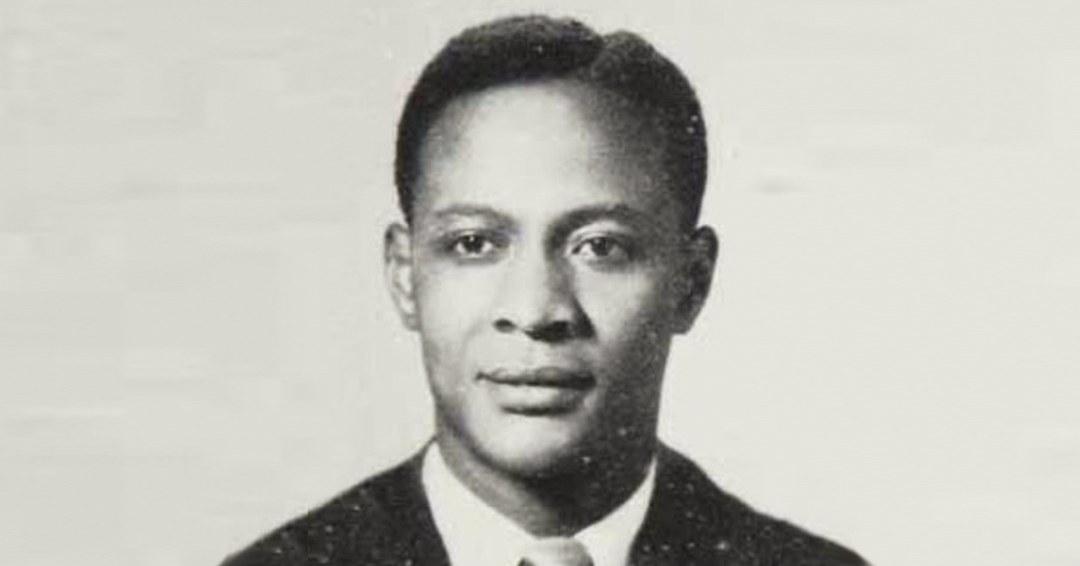
Served with the Canadian Army at Normandy, graduated in medicine from McGill in 1955, and founded the College Euclid Clinic in Toronto. Sources describe him as the driving force of the 1967 committee.
Charles Roach
Trinidad
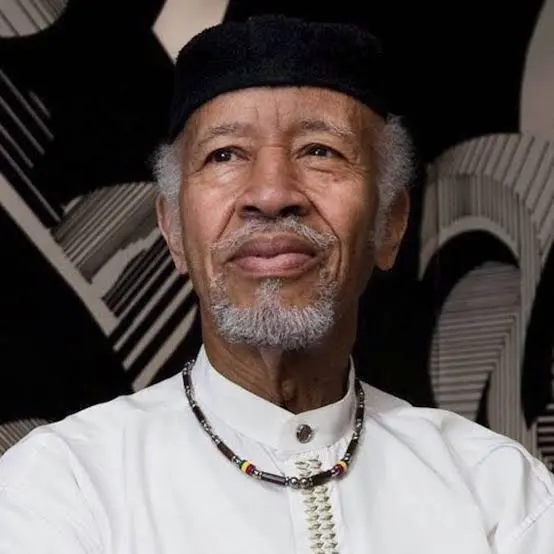
Civil rights lawyer who co-founded Caribana and the Black Action Defence Committee. Charley Roach Lane in Toronto bears his name.
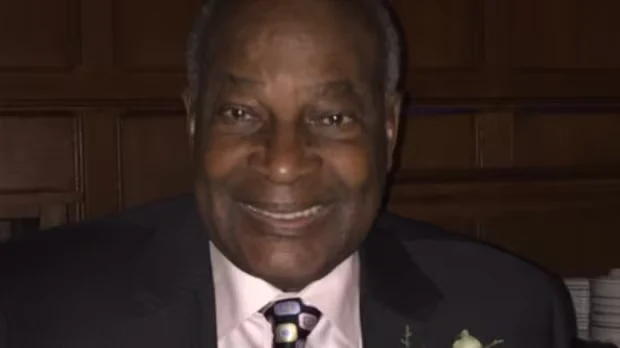
Romain Pitt
Grenada
Co-founded Lindsay and Pitt, described as Canada's first Black law partnership, and later served as a justice of the Ontario Superior Court.
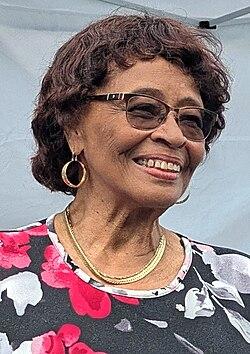
Rita Cox
Trinidad
Librarian who built Toronto Public Library's Black and Caribbean Heritage Collection, now more than 16,000 items. Member of the founding committee; Order of Canada, 1997.
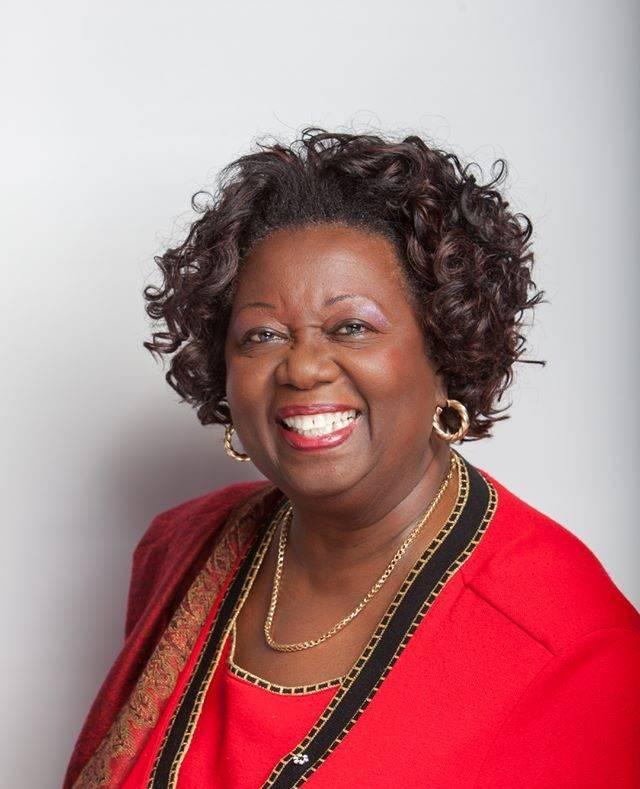
Jean Augustine
Grenada
Came to Canada through the West Indian Domestic Scheme in 1960 and served on the committee that organized the first Caribana. In 1993 she became the first Black woman elected to the House of Commons, and her motion created Black History Month in Canada.
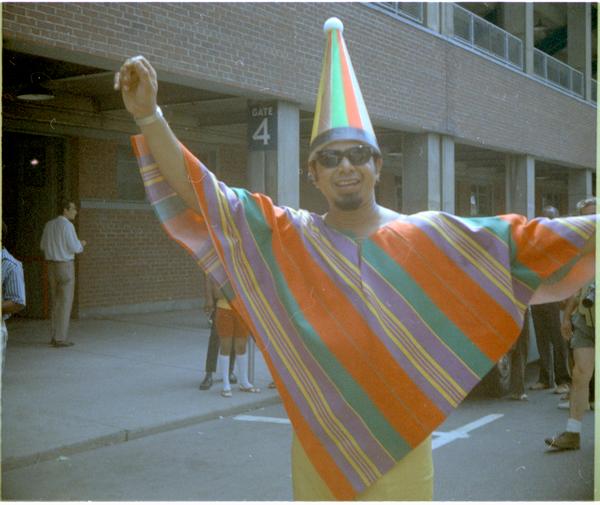
Kenneth Shah
Trinidad
Petroleum engineer turned costume designer and band manager for more than 30 years. His 4,000 photographs are now held at York University.
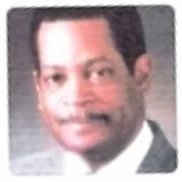
Alpha King
Trinidad
Born in Port-of-Spain. Airline manager and entrepreneur who helped organize the first Caribana in 1967 as a facilitator rather than a formal board member. Sources say that through his work with BWIA he helped bring steel pans and artists from Trinidad.
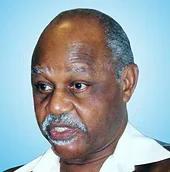
Dr. Maurice Bygrave
Jamaica
Dental surgeon. Listed as Dr. M.E. Bygrave on the board of directors of the Caribbean Committee for Cultural Advancement.
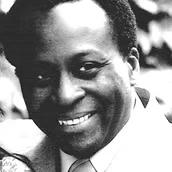
Johnny Cayonne
Educator and artist, and a founding member of Caribana. He died in July 1998.
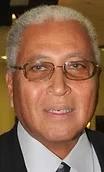
George Meikle
Financial analyst. Listed as G.I. Meikle on the board of directors of the Caribbean Committee for Cultural Advancement.
Stories from the founders
Behind the 1967 festival were people with very different lives. These are some of their stories, drawn from the 50th anniversary magazine.
Dr. Joseph Alban LiverpoolFirst chairman of the 1966 to 1967 committeeRead their story
In December 1966 the federal government asked a group of local West Indian professionals to make a contribution to Canada's centennial. Dr. Liverpool helped organize what became Caribana, and he said no other cause could have united West Indians so completely.
Born in St. Vincent and the Grenadines, he came to Canada and joined the Canadian Armed Forces. He fought in the Second World War and took part in the D-Day landings in Normandy on 6 June 1944. After the war he studied medicine at McGill University and graduated in 1955. He qualified as a physician in 1956, moved to Toronto with his wife Elaine and their two children, and went into private practice while facing a great deal of racial discrimination.
In 1966 he founded the College Euclid Clinic, where a team of Caribbean-born doctors served both the Black and Italian communities. He became the first chairman of the 1966 to 1967 board of governors of the Caribbean Centennial Committee, whose mandate was to promote a Caribbean trade and cultural exhibition.
The celebrations ran from 5 to 12 August 1967. Highlights included the carnival pageant parade, a Centennial Ball at Casa Loma, and events on a Toronto island, among them a Caribbean music festival, the crowning of the carnival queen and fashion shows.
The festival was so successful that Mayor William Dennison asked the committee to do it again in 1968. Dr. Liverpool stayed on as chairman of the Caribbean Committee for Cultural Advancement for Caribana 1968, and he received a certificate of appreciation from the mayor for his contribution to the centennial. He returned to Toronto in 1999 after practising in the Caribbean, including the Bahamas and Barbados, and died on 8 May 2005 at the age of 85.
Summarized from the article by Diane Liverpool.
Romain PittLawyer, and the voice for a very big boardRead their story
Romain Pitt founded the first partnership of Black lawyers in Canada with his partner Eric Lindsay, and later became a judge of the Ontario Superior Court of Justice. He recalled a lawyer in New York once greeting him with, "You're from the Caribana city."
In December 1966 he was one of a group of friends with shared West Indian heritage who formed the original Caribbean Cultural Committee. It was his idea to have a very big board, because he worried that people would become burdened and walk away. The board had 21 members, doctors, dentists, lawyers, government officials and other professionals, and he says the most crucial of them were the women, who were made integral to the work.
He had emigrated from Grenada 13 years earlier, held an Honours BA in Economics from the University of Toronto, and had been called to the Ontario bar in 1965. The idea of transforming a Toronto island into a Caribbean paradise excited him. He remembers a roti shop, Ram's Roti, winning the exclusive right to sell on the island, and says it was huge.
Pitt quickly saw that without financial help the future of the parade was uncertain. He recalls writing perhaps 500 letters to businesses asking for support, and getting one contribution, from the Bank of Nova Scotia. He felt the government's ambivalent attitude, in spite of the festival's economic impact on the city, was a reason for pessimism.
He stopped attending the parade when it moved to Exhibition Place in 1991.
Summarized from the article by Solana Cain.
Dr. Maurice BygraveDentist, and the man behind the plaza promotionsRead their story
In Dr. Bygrave's dental office there is a photography book by David Ayres on the history of Caribana, filled with interviews with the people who made the original festival possible, and he encourages patients to read it while they wait. He says the aim was to proudly show Canadians what the culture is about.
He first heard of the plan for a cultural festival for the centennial from friends including Eric Lindsay, Romain Pitt and Sam Cole. He recalls how negative the images of Black people in his children's school reading were, and says the committee wanted to show something very positive. He joined the Caribbean Cultural Committee in 1966, the year he graduated from the University of Toronto's Faculty of Dentistry.
While opening his dental practice in Westgate Mall he began organizing pre-centennial events around Toronto called plaza promotions, with steel pan music and parade costumes, taking them from one mall to the next. The local press covered them and they built momentum. The most memorable one was at Maple Leaf Gardens, with a performance by the visiting Trinidadian steelband the Esso Tripoli Orchestra.
Money was a gamble: many directors pledged their own to support the event in the early days. The risk paid off when crowds of Torontonians came out for Caribbean culture, a tremendous moment he was glad to be there for. His involvement ceased after the sixth year, and in 2005 he renewed it by writing editorials for the Toronto Star and Share newspapers.
His chief concern is that present and future generations will not know what Caribana is really about, and that we need to look back to know where we are going.
Summarized from the article by Solana Cain.
Whitfield BelascoThe first family of Caribana, 1967 to 2017Read their story
Whitfield Belasco and his brother Calvin first played mas in Trinidad in 1958. They enjoyed it so much that the next year they decided small mas was not for them and began building big mas, large costumes. In the early years they made costumes to play with the Morvant Ebonites steelband, and then moved to a new young people's band, the Teenage Serenaders.
In 1966 their older brother Alpha King, who lived in Canada, visited Trinidad. When he saw the costumes his brothers built he asked them to come to Canada the following year, because a carnival was being planned and he wanted them to build costumes for it.
In 1967 Whitfield came to Canada specifically to make costumes for the first carnival, which became known as Caribana. The first two bands he created costumes for were the Arawaks and Snow Kingdoms. Soon his mother and sisters followed, and the family has brought out a band every year since.
In 1968 the family band was called Splendors of Egypt. Calvin flew in two weeks before carnival and went straight from the airport to the mas camp at 110 Lyons Avenue. On the night of the King and Queen show the truck got lost, and Charlie Roach drove the huge costume to the Royal York Hotel in his convertible. It was too big for the hotel entrance, so the judges came out to the sidewalk to judge it.
The family formed a non-profit, Concept Costume Creators, to represent the band, and became known as the Family Band because players and members grow so close. They design and build their costumes from scratch, and in 1995 their theme paid tribute to the Brazilian racing driver Ayrton Senna.
Summarized from the anniversary magazine feature.
Beverley SalmonThe first Black woman on Toronto City CouncilRead their story
Beverley Salmon was the first Black woman to serve on Toronto City Council and the founding chair of the Toronto Board of Education's Black Liaison Committee. She fought for anti-racism training for teachers and an inclusive curriculum with more Black history.
Raising four children, she looked for family activities that promoted Black culture, because she wanted her children to have a sense of belonging and pride. She was born and raised in North Toronto in the 1930s, when the Black population was very small. Most of the Black families were West Indian, a few came from Nova Scotia and some had come up through the Underground Railroad, and most knew each other.
When word reached her in 1967 that Toronto's West Indian community was planning a centennial celebration, she got involved at once and later used her role on council to help find financial support. She was able to get the city to give the Caribbean Cultural Committee a surplus building downtown for one dollar a year.
Salmon says Caribana has always been a way for Black families to stay connected, and that it must be kept affordable for families. She remembers it as most popular when it was on University Avenue and anyone could get in, at no cost. She still attends every year and is glad to see people of every origin in the parade, which she says was always the intent: a Canadian kind of event.
Summarized from the article by Solana Cain.
Caribana 1967 memories and beyondA family's memory of Expo 67 and the first paradeRead their story
The writer, a Toronto-born young woman of almost twenty in 1967 whose mother was born in Barbados, remembers how excited her family was to go to Expo 67 in Montreal for Canada's hundredth birthday. At the Barbados pavilion they found national dishes, tropical decor and calypso music, and at the Trinidad pavilion a display with costumes that had won top prizes in the 1967 Trinidad Carnival.
Her mother, Mrs. S. Kathleen Searles, who is listed among the early committee members, said that it would be nice to show the people of Toronto these lovely costumes, and wondered if they could be borrowed. The writer was mortified at the thought of her mother asking, but the costumes were in the end displayed in trailers at Centre Island for the entire week of the Caribana celebration.
She was not involved in the planning, but she remembers that the Caribana parade of 1967 was held on a beautiful sunny day and came down Yonge Street, travelling southbound on the west side. Her father's law office was at 501 Yonge Street, and the family crawled out of a small window onto the roof of the storefront below to watch it go by.
Summarized from a memoir in the anniversary magazine.
These accounts are summarized from the anniversary magazine, with credit to the writers named on each one. Source: Celebrating Our Heritage: 50 Years of Caribbean Carnival Arts, Canada 150 (2017).
Since 1967
Celebrating our heritage
The founders' roll, 1966 to 1968
The people listed in the anniversary magazine as founders and early committee members of Caribana, with the years they are listed for and the country each came from.
The first committee1966 to 1967
- Dr. Joseph Alban LiverpoolSt. Vincent and the Grenadines
- Samuel ColeTrinidad and Tobago
- ArchibaldTrinidad and Tobago
- Romain PittGrenada
- F. OsborneTrinidad and Tobago
- George LoweBarbados
- Kathleen SearlesBarbados
- Charles RoachTrinidad and Tobago
- Melbourne ThompsonJamaica
The committee and board1967 to 1968
- Alvin CoombsSt. Vincent and the Grenadines
- Billie DeyUnited States
- Cynthia HugginsTrinidad and Tobago
- Dr. Samuel Allan LiverpoolSt. Vincent and the Grenadines
- Edward St. HillTrinidad and Tobago
- Eric LindsayJamaica
- Frank R. MyersJamaica
- George MeikleJamaica
- Hugh RobertsonTrinidad and Tobago
- Hyacinth CohenCanada
- J. McKenzie
- Jan TaylorTrinidad and Tobago
- Jean DunnCanada
- Lynette PattersonTrinidad and Tobago
- Mike MartinezTrinidad and Tobago
- Paul SheppardTrinidad and Tobago
- Peter MarcellineTrinidad and Tobago
- Sally Walcott
- Sally Ward
- Dr. Maurice L. BygraveJamaica
- Beverley SalmonCanada
- Elaine LiverpoolSt. Vincent and the Grenadines
- Hyacinth TackoorTrinidad and Tobago
Who helped in 19671967
- Alpha KingTrinidad and Tobago
- Elmore DaisySt. Vincent
- Joe BrownTrinidad and Tobago
- Lennox BorelTrinidad and Tobago
- Tony IshmaelSt. Lucia
Still building mas1967 to present
- Whitfield BelascoTrinidad and Tobago
Board of Directors: Caribbean Committee for Cultural Advancement
- Dr. J,A.Liverpool, Chairman, MD
- Ms. J. Dunn, Legal Secretary
- R.W.Pitt, Vice Chairman, Lawyer
- P. Marcelline, Town Planer
- Lowe, Treasurer, Ontario Land Surveyor
- Dr. S.A. Liverpool, Dental Surgeon
- C.C. Roach, Secretary, Lawyer
- Mrs. C. Huggins
- G.I. Meikle, Financial Analyst
- Mrs. S. Ward, Bank Account (Nova Scotia)
- Sheppard, Life Underwriter
- Miss H. Cohen, Executive Secretary
- E.S. Lindsay, Lawyer
- Mrs. L. Patterson, Public Health Nurse
- F.R. Myers, President (House of Jamaica)
- A. Coombs, Civil Servant (Ontario Gov.)
- Dr. M.E. Bygrave, Dental Surgeon
- M. Martinez, Managing Dir. (B.W.I.A; Tor.)
- Robertson, Lawyer
- Miss T. Taylor, Executive Secretary
- McKenzie, Industry
Help us complete the record
Did your parent, grandparent or neighbour help start Caribana? Do you have photos, programs or letters from 1967? Help us tell the full story of everyone who built it.